Font Review: Hanastly for Editorial Design
A Versatile Script Font for Modern Publishing
There’s a moment in every editorial project where you’re staring at a blank page, contemplating the perfect font to set the tone. For a lifestyle blog redesign, that moment came when I was choosing a cover font that would capture both elegance and approachability. Hanastly emerged as a strong contender—not just for its visual appeal, but for its adaptability across different editorial contexts.
The Visual Character of Hanastly
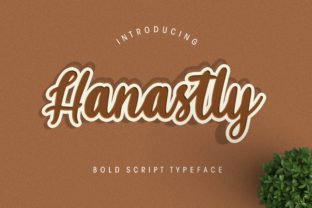
Hanastly is a script font with a modern twist. It carries the fluidity of a handwritten style but is grounded in clean, structured lines. The rhythm of the letterforms feels natural, almost like a conversation between the designer and the reader. This balance makes it feel both personal and professional, which is a rare quality in a script typeface.
Its personality is bold yet refined, making it suitable for a wide range of content types. Whether used as a headline or a decorative element, Hanastly adds a touch of sophistication without overwhelming the reader. The font’s mood leans towards modern typography, fitting seamlessly into contemporary design trends while maintaining a timeless appeal.
Real-World Use Cases for Hanastly
In practice, Hanastly has been tested in several real-world publishing scenarios. For instance, it worked beautifully as a title font for a recipe ebook, where its elegant curves complemented the culinary theme. It also performed well in a wedding guide layout, adding a sense of romance and refinement to the text.
As a pull quote font, Hanastly stood out in a digital magazine layout. Its readability on screen was impressive, even at smaller sizes, which is a key consideration for mobile users. When paired with a clean sans-serif body font, it created a clear visual hierarchy that guided the reader through the content effortlessly.
For a coaching workbook, Hanastly was used in chapter openers and section headings. Its expressive nature added a dynamic feel to the pages, making the content feel more engaging and less static. In printable planners, it served as a decorative accent, enhancing the overall aesthetic without compromising legibility.
Readability and Practical Considerations
While Hanastly excels in display roles, it’s important to consider its readability in different formats. For long-form content such as articles or reports, it’s not recommended for body copy due to its expressive nature. Small captions and dense paragraphs can become difficult to read when using Hanastly, especially in print or on low-resolution screens.
That said, Hanastly shines in shorter texts. It works exceptionally well for headlines, subheadings, pull quotes, and decorative elements. When used in these contexts, it supports the reader’s attention by drawing the eye to key information without causing fatigue.
When exporting to PDFs or designing for web, ensure that the font includes all necessary styles, ligatures, and weights. Check for multilingual support if your publication targets international audiences. Also, verify the commercial licensing terms to ensure it fits your use case, whether it’s for a newsletter, course PDF, or printable guide.
Font Pairing and Editorial Design
Pairing Hanastly with other fonts can elevate the editorial design significantly. A common pairing is to use it alongside a serif or sans-serif font for body copy. This contrast creates a balanced look, allowing Hanastly to take center stage without overshadowing the main content.
For example, in a creator newsletter, Hanastly could be used for the header and title blocks, while a clean sans-serif font like Montserrat handles the body text. This combination ensures clarity and visual interest, supporting both brand identity and reader engagement.
When designing for social media graphics or web banners, consider how Hanastly interacts with other design assets. Its modern character makes it a great fit for branding materials, logo design, and packaging design, offering a versatile tool for building a cohesive visual identity.
Conclusion
Hanastly is a powerful addition to any designer’s toolkit. Its versatility, readability, and modern aesthetic make it ideal for a variety of editorial projects. From blog headers to pull quotes, it supports both the visual and functional aspects of content creation.
Whether you’re redesigning a lifestyle blog, crafting an ebook, or building a digital magazine, Hanastly offers a unique blend of style and practicality. With careful application and thoughtful pairing, it can enhance the overall experience of your publication, ensuring both beauty and clarity for your audience.