Cintthia Font for Modern Web Design
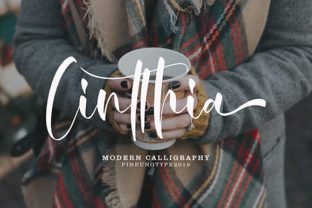
Cintthia is a handwritten font that brings warmth and personality to digital design. Its smooth lining and incredible legibility make it a versatile choice for web designers looking to add character without sacrificing readability. As a script font, Cintthia strikes the perfect balance between charm and professionalism, making it ideal for a wide range of digital projects.
Visual Characteristics and Style
Cintthia’s organic feel comes from its natural handwriting style, which gives it a unique visual rhythm. The font features subtle variations in stroke thickness and fluid curves that mimic real pen strokes. These characteristics make it visually engaging while maintaining clarity even at smaller sizes. This makes Cintthia particularly effective for headers, titles, and other elements where you want to draw attention without overwhelming the reader.
The font’s smooth lining ensures that it remains clean and modern, avoiding the cluttered appearance that can sometimes accompany more ornate script fonts. This makes it suitable for both decorative accents and functional text elements like call-to-action buttons or section headings.
Using Cintthia in Web Projects
Cintthia can be used across various parts of a website to enhance visual hierarchy and brand tone. For example, it works well as a hero title on landing pages, where it adds a personal touch that helps connect with the audience. In online stores, Cintthia can be used for product banners or promotional headlines to create a sense of exclusivity and creativity.
On portfolio sites or creative agency websites, Cintthia can be used for section headings and project titles. Its handcrafted look aligns well with the creative nature of such platforms. When paired with a clean sans serif font for body copy, it creates a balanced contrast that improves readability and visual appeal.
For coaching websites or course sales pages, Cintthia can be used in headers or feature sections to convey approachability and expertise. Its warm aesthetic complements content that aims to build trust and connection with users.
Readability and Responsive Design
One of the most important considerations when using any font on the web is readability, especially on mobile devices. Cintthia maintains its legibility even at smaller sizes, making it a good choice for responsive layouts. However, it's best used for short phrases rather than long blocks of text. This ensures that the font doesn’t become difficult to read on small screens.
When using Cintthia on dark backgrounds or image overlays, it’s important to ensure sufficient contrast. Testing different color combinations will help maintain readability and accessibility. For light backgrounds, a darker text color will generally provide the best results.
Font Pairing and Brand Identity
Cintthia pairs well with a variety of fonts depending on the desired tone and purpose. For a more modern and clean look, pairing it with a simple sans serif font like Helvetica or Arial for body copy can create a strong visual contrast. This combination works well for editorial design, blog headers, or digital ads where clarity is key.
If a more traditional or elegant feel is desired, pairing Cintthia with a serif font like Georgia or Times New Roman can add depth and sophistication. This is especially effective for branding materials, packaging design, or social media graphics that aim to convey professionalism and creativity.
Choosing the right font pairings not only enhances the overall design but also supports the brand identity. Cintthia’s handwritten style can reinforce a brand’s personality, whether it’s youthful, artistic, or professional.
Practical Considerations for Web Use
Before implementing Cintthia on a website, it’s important to check what styles and weights are included. Many premium fonts offer multiple weights and alternates, which can be useful for creating visual interest and hierarchy. Additionally, verifying if the font supports multilingual characters can be essential for global audiences.
Webfont availability is another key factor. Ensuring that Cintthia is properly embedded and optimized for fast loading times is crucial for user experience. Using tools like Google Fonts or font embedding services can help streamline this process.
Finally, commercial font licensing should be considered for websites, client projects, online stores, or digital templates. Choosing a font with appropriate licensing ensures that the use of Cintthia is both legal and ethical.
Conclusion
Cintthia is a valuable addition to any designer’s toolkit. Its blend of charm and clarity makes it a great choice for enhancing digital experiences while maintaining professionalism. Whether used for headers, logos, or decorative accents, Cintthia supports a wide range of design needs and contributes to a cohesive brand identity.